
Indoor air rarely gets much attention until something feels off. A faint musty smell, a persistent cough, or that heavy feeling after a full day in an air-conditioned room. In Singapore’s warm, humid climate, these signs can creep in quietly. That is where indoor air quality testing services come into the picture, offering clarity on what is actually floating around indoors.
Yet not all tests are the same. Some are quick snapshots, while others take a longer, more patient view. Understanding the difference helps property owners, facility managers, and even homeowners decide what level of testing makes sense.
A Quick Snapshot or a Longer Story?
Short-term testing is like checking the weather before stepping out. It captures what is happening in the air over a brief window, usually a few hours or days. This approach is often used when there is an immediate concern, such as recent renovation works or a sudden spike in odours.
Long-term testing, on the other hand, watches how air quality behaves over weeks or even months. It tells a broader story. This matters because indoor air does not stay constant. Occupancy patterns, cleaning routines, and even the monsoon season can change the mix of pollutants over time.
Both methods rely on indoor air quality testing services, but the intent behind each is different.
When Short-Term Testing Makes Sense
Short-term tests are practical and fast. They are commonly arranged after complaints from occupants, especially in offices or schools. A spike in carbon dioxide levels during peak hours, for example, can point to ventilation issues that need quick fixes.
This type of testing is also useful after maintenance works. When a condo aircon installation provider completes major servicing or duct cleaning, short-term measurements can confirm whether the indoor environment has improved. It is a bit like a post-service check-up. Not perfect, but reassuring.
Still, there is a catch. Short-term results reflect a moment in time. If testing happens on a quiet day or during favourable weather, some issues may stay hidden.
Why Long-Term Testing Tells a Fuller Story
Long-term monitoring takes patience, but it often pays off. By tracking data over time, patterns start to emerge. Perhaps particulate levels rise every afternoon, or humidity spikes during heavy rain periods. These insights are hard to catch with a brief test.
In commercial buildings, long-term indoor air quality testing services help facility teams link air data to occupancy schedules or system performance. Over time, this information can guide better maintenance planning and even energy use decisions.
Interestingly, some property managers assume long-term testing is excessive. Then recurring complaints continue, and the cycle repeats. The longer view often explains what short tests miss.
How Air-Conditioning Fits Into the Picture
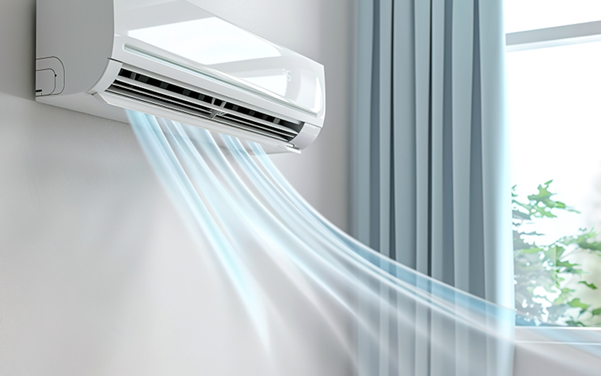
Air-conditioning systems play a quiet but central role. Filters, coils, and ducts influence how air moves and what gets trapped or released. That is why collaboration with an experienced aircon contractor often follows testing.
Short-term tests may highlight immediate airflow or filtration issues. Long-term testing, however, can reveal whether maintenance routines are actually effective across seasons. A well-maintained system should show stable readings, not wild swings.
There is a mild contradiction here. A system can appear fine during spot checks, yet underperform over time. That is not uncommon, especially in older buildings.
Choosing the Right Approach for Singapore Spaces
Homes, offices, and retail spaces all behave differently. A small flat with limited ventilation may benefit from targeted short-term testing first. Larger or high-traffic spaces usually gain more from long-term monitoring.
Budget, urgency, and the nature of complaints all shape the decision. The key is understanding that indoor air quality testing services are not one-size-fits-all. Pairing the right test with follow-up actions, often involving a aircon contractor, makes the effort worthwhile.
Final Thoughts
Short-term testing offers quick answers. Long-term testing offers understanding. Both have a place in managing indoor environments in Singapore’s climate. For guidance on choosing the right testing approach and improving indoor conditions, reach out to Newway Air Conditioning today and start the conversation.