
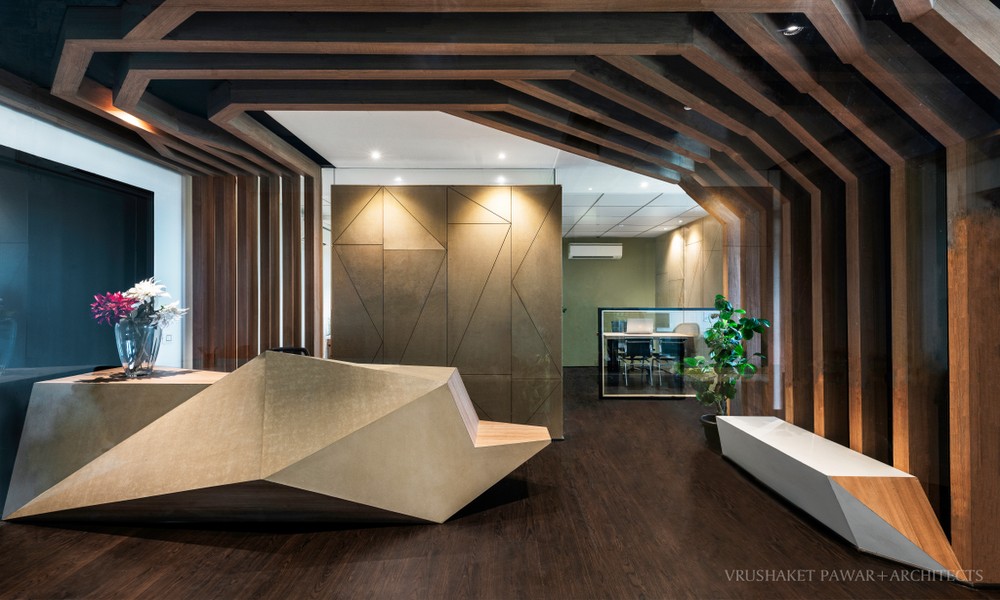

Walk into two shops selling similar products in Johor Bahru, and you might feel something subtle but important.
One space feels easy to trust. It feels organised, calm, and intentional. You’re more willing to browse, ask questions, and maybe even make a purchase. The other feels slightly off. It might be cluttered, poorly lit, or confusing to navigate. Even if the products are good, you don’t feel fully comfortable staying.
That difference often has nothing to do with the product itself. It comes down to good interior design for commercial spaces.
Here’s why some commercial shops feel more “trustworthy” than others-and what’s really happening behind the scenes.
1. Clean layouts signal professionalism immediately.
People judge spaces faster than they realise.
A clean, well-organised layout instantly communicates:
- This business is structured
- This place is managed properly
- The products are likely reliable
On the other hand, a cluttered or messy layout creates hesitation, even if customers can’t explain why.
In retail and service spaces across Johor Bahru, layout clarity is often the first layer of trust-building. If customers can understand the space quickly, they tend to trust it more quickly, too.
2. Lighting affects perceived quality more than people expect.
Lighting doesn’t just help people see products. It shapes how they feel about them.
Well-designed commercial spaces use lighting to:
- Highlight key products
- Reduce harsh shadows
- Create a warm, inviting mood
When lighting is too dim or too harsh, it can make even high-quality products feel less appealing.
In many shops in Johor Bahru, improving lighting alone can completely change how customers perceive the brand-without changing anything else.
3. A clear layout reduces customer hesitation
Trust is closely linked to ease of movement.
When a shop layout is:
- Easy to navigate
- Clearly zoned (products, cashier, waiting area)
- Free of visual confusion
Customers feel more relaxed. They don’t have to “figure out” the space.
But when the layout is unclear, people slow down mentally. They hesitate more, ask more questions, and sometimes leave earlier.
Good design removes that friction, making the experience feel smooth and predictable.
4. Consistent design language builds subconscious confidence.
Trustworthy spaces usually feel visually consistent.
That means:
- Colours that match the brand identity
- Materials that don’t feel randomly mixed
- Furniture and fixtures that follow one style direction
When everything feels aligned, customers subconsciously interpret the business as more stable and reliable.
In contrast, a mismatched interior can feel unplanned, even if the products are good.
This is why consistency is often more important than expensive design elements.
5. Space management reflects how the business is run.
Customers don’t just look at products-they observe how a space is managed.
Things like:
- Cluttered storage areas
- Overcrowded shelves
- Poorly maintained corners
…can subtly suggest disorganisation behind the scenes.
Meanwhile, well-managed spaces with clear storage and clean presentation give the impression of operational discipline.
In commercial environments across Johor Bahru, this perception can directly influence whether a customer feels safe spending money.
6. Comfort makes customers stay longer (and trust more).
Trust isn’t instant. It builds with time.
And people only spend time in spaces that feel comfortable.
Comfort comes from:
- Good air circulation
- Appropriate seating
- Balanced lighting
- Manageable noise levels
When customers feel physically comfortable, they tend to stay longer. The longer they stay, the more familiar and trusting they become with the space.
If a shop feels uncomfortable, people leave quickly-no matter how good the products are.
7. Good design removes “decision stress.”
One hidden role of interior design is reducing mental load.
A well-designed shop helps customers:
- Understand where to go
- Find what they need easily
- Compare options without confusion
If there’s too much visual noise, too many competing displays, or unclear organisation, customers can feel overwhelmed.
And when people feel overwhelmed, they tend to delay decisions-or avoid them completely.
In contrast, clear and simple environments make decision-making easier, which naturally supports sales.
8. The space tells a story about the brand.
Every commercial interior communicates something, even if unintentionally.
A well-designed space says:
“We are careful. We are consistent. We care about details.”
A poorly designed one might unintentionally suggest:
“We are still figuring things out.”
In a competitive retail environment like Johor Bahru, that story matters. Customers often choose brands they feel confident about, and interior design plays a huge role in shaping that confidence.
Final Thoughts
“Trustworthy” commercial interiors don’t happen by accident.
They are created through small but intentional design choices:
When all of these come together, customers don’t just see a shop.
They feel confident in it.
And in retail, that feeling is often what turns a visitor into a buyer.