
Key Takeaways
In Dallas, local general contractors possess significant knowledge of the area’s architectural styles and building codes. This expertise plays a critical role in ensuring that project outcomes align with the city’s unique characteristics.
Building trust with clients often stems from community connections. Local contractors are typically more involved in local events and businesses, which increases their accountability and approachability.
Engaging nearby general contractors can offer substantial cost benefits. Lower travel expenses, better negotiation prospects with local suppliers, and faster response times all contribute to enhanced project efficiency.
General contractors manage numerous facets of construction projects, from renovations to new builds, guaranteeing efficient oversight from the initial concept through to completion, all while meeting client expectations.
Clients should evaluate the experience of general contractors by inquiring about previous projects and challenges encountered to better understand their capabilities and how they solve problems.
To safeguard clients’ interests, reputable contractors should possess the appropriate licensing, insurance, and certifications. These credentials confirm compliance with industry standards.
Trends in sustainable building practices and technological advancements are reshaping construction in Dallas. Homeowners are increasingly inclined toward eco-friendly solutions paired with cutting-edge technologies that enhance efficiency.
Why Dallas Homeowners Choose Local General Contractors
Unmatched Local Knowledge and Insight
Grasping the unique architectural styles and regulatory frameworks of Dallas is essential. Local general contractors dallas provide invaluable expertise that echoes the city’s diverse landscape. They understand which materials excel in the Texas climate-crucial for durability. Many homeowners benefit from collaborating with professionals who are deeply rooted in the community, as their familiarity with local market trends facilitates the creation of designs that resonate with neighborhood aesthetics.
In selecting a contractor, homeowners often prefer someone attuned to their specific needs. A local contractor can offer insights that an out-of-town firm may not provide. Whether it’s recognizing foundation issues unique to the area or navigating the balance of contemporary trends with historical preservation, the depth of local knowledge can truly make a difference.
Building Trust Through Community Connections
A strong relationship is vital in construction. Trust often grows out of word-of-mouth referrals and community engagement. Local general contractors are frequently active in the Dallas community, sponsoring events or collaborating with neighboring businesses, which enhances their accountability. Clients feel more secure when working with someone who is dedicated to the well-being of their community.
Moreover, these contractors are generally more accessible. This ease of communication encourages honest discussions, culminating in better project outcomes. If challenges arise, clients can swiftly connect with someone who understands the stakes. It’s truly about nurturing a relationship based on reliability and transparency-benefiting all parties involved.
Cost Benefits of Hiring Nearby Professionals
For any homeowner, cost savings are a significant consideration. Local contractors typically incur lower travel expenses, and their familiarity with local suppliers allows for better pricing and an understanding of market rate fluctuations. These aspects contribute to more cost-effective solutions for clients.
Beyond direct cost savings, local experts can substantially cut down on time. Less travel translates to quicker responses, which means faster project completions. This efficiency minimizes disruption for homeowners and lowers labor costs, enabling clients to allocate more funds toward quality rather than logistics.
- Lower travel costs associated with contractors.
- Better familiarity with local suppliers and materials.
- Time-efficient project management leads to cost savings.
Essential Services Offered by General Contractors
From Renovations to New Builds: What You Need to Know
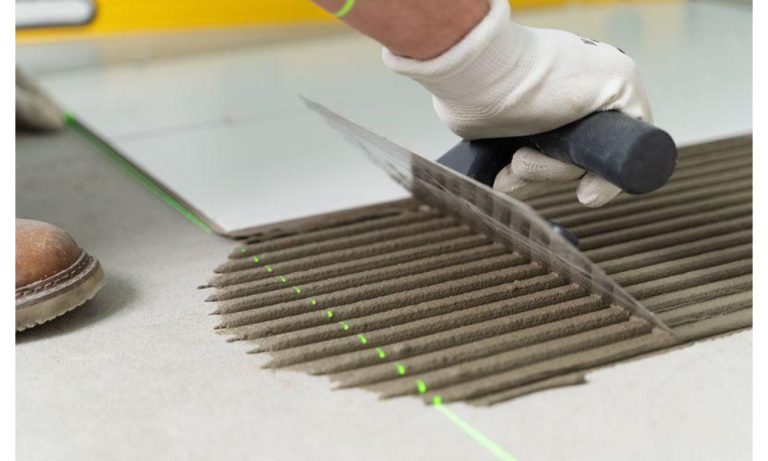
General contractors do more than just build; they play a pivotal role across all construction facets. Whether managing a complete renovation or overseeing the complexities of new builds, their involvement is vital. Different project types require varying skill sets, and their expertise ensures that all phases proceed smoothly. From the initial concept to completion, professionals handle everything, from design to final checks.
Innovative renovations have the potential to revitalize existing structures, blending modern aesthetics with original styles. Conversely, constructing new homes allows clients to craft their ideal space with a practical approach. Here are some key services offered:
- Site assessment and preparation.
- Permitting and regulatory compliance.
- Design consultation and project planning.
Every service must align with the broader vision. The contractor’s responsibility is to ensure that client expectations aren’t just met but truly exceeded. Balancing creativity with adherence to regulations is a sophisticated process requiring artistry and compliance.
Specialty Projects: Unique Services Tailored to Your Vision
Every client harbors a vision, and partners strive to bring that vision to life. Specialty projects-such as outdoor living spaces, extensive home additions, or commercial fit-outs-demand flexibility and innovation from contractors. Creative solutions often involve a mix of traditional techniques and modern materials.
Clients should remember that these projects can reflect their distinct styles. This often means collaborating with architects, designers, and landscape artists to create a cohesive outcome. Notable specialty services include:
- Custom outdoor patios and entertainment areas.
- Renewable energy installations like solar panels.
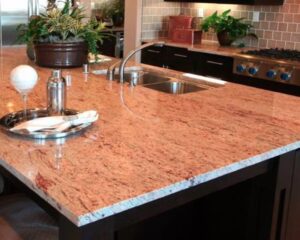
- High-end kitchen and bath remodels.
With the right team, clients not only visualize their dreams but also significantly boost their property’s value. An adept contractor can transform spaces into masterpieces that showcase individual taste.
Understanding Project Management and Coordination
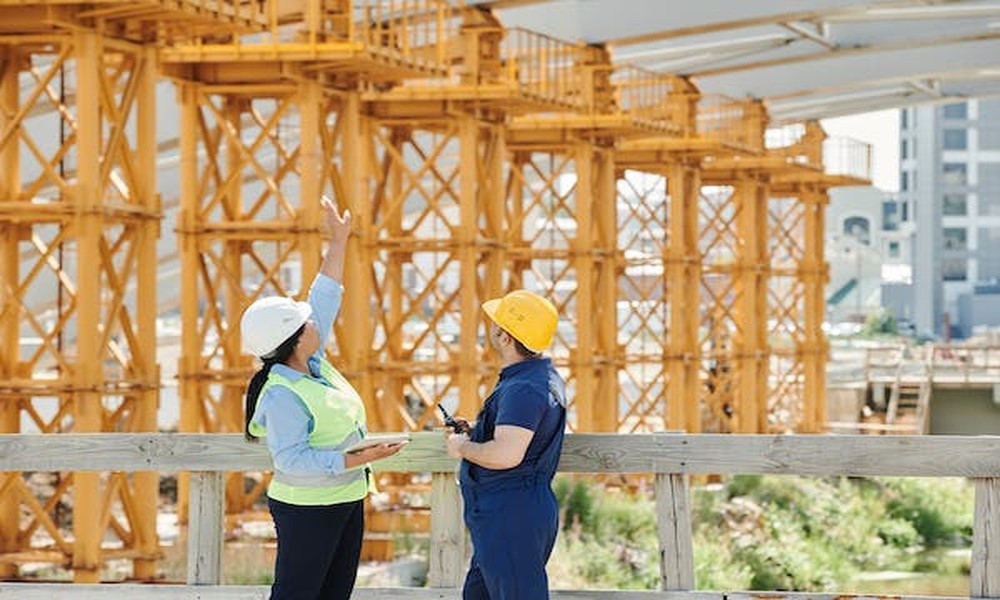
A successful construction project hinges on meticulous project management. This involves careful scheduling, budgeting, and resource allocation. Without effective coordination, even simple builds can encounter delays and budget overruns. Often, contractors assume the role of an orchestra conductor, ensuring all components join together seamlessly.
Clear communication is essential, as it builds trust between clients and subcontractors. Skilled project managers establish expectations and maintain timelines, all while ensuring that materials used meet quality standards. Here are some important aspects of project management:
- Streamlined communication between all parties involved.
- Regular updates on project progress.
- Proactive approaches to problem-solving.
Efficient project management requires not only technical expertise but also an intuitive understanding of team dynamics and stakeholder relationships. Contractors excelling in this area can greatly enhance the experience for everyone involved.
How to Select the Right General Contractor in Dallas
Key Questions to Ask During Initial Consultations
Selecting a general contractor can indeed be daunting. However, knowing the right questions to ask can simplify the process. Candidates should exhibit not just technical skill but also compatibility with clients. The ideal contractor should elevate the home building or remodeling journey. Consider asking:
- What is your approach to project timelines and budgets?
- Can you provide references from previous clients?
- What types of projects have you completed recently?
The answers will give great insight into the contractor’s work ethic, style, and philosophy. A successful partnership often thrives on clearly identified expectations and a mutual vision regarding the desired outcome.
Evaluating Experience and Past Work: A Mini Guide
The experience of a contractor often reflects their ability to navigate complex projects. Reviewing a contractor’s portfolio can shed light on their capabilities and design sensibilities. It’s vital to look at examples that encompass both triumphs and setbacks for a well-rounded perspective. Clients should feel empowered to ask about challenges they’ve encountered, testing how these professionals handle adversity.
Relevant questions for evaluation might include:
- What has been your most challenging project, and how did you handle it?
- Are you willing to collaborate with my design or architect?
- How do you oversee subcontractors and ensure quality assurance?
Through such discussions, clients can learn a great deal about a contractor’s adaptability and problem-solving skills. Ensuring that the contractor aligns with the project’s vision is vital.
The Importance of Licensing, Insurance, and Certifications
Every general contractor must comply with local laws. Licensing, insurance, and certifications are non-negotiable for any credible contractor. These elements assure clients they are protected against unforeseen incidents and that all work adheres to industry standards. Valid insurance is especially crucial, safeguarding homeowners from accidents during construction.
Therefore, it’s essential to inquire about these documents. This vigilance protects investments. Additional considerations include:
- Verification of licenses through state databases.
- Discussion of liability insurance coverage.
- Inquiries regarding relevant industry certifications or associations.
Peace of mind is invaluable, and knowing that all essential bases are covered ensures that the contractor operates ethically.
The Future of Construction: Trends Influencing Dallas’ Landscape
Embracing Sustainable Practices for Modern Builds
As society embraces environmental consciousness, the construction industry follows suit. Sustainable building practices are now foundational in both new developments and renovations. Homeowners across Dallas are prioritizing eco-friendly solutions, carefully selecting materials that minimize environmental impacts while enhancing energy efficiency.
Ideal partners for this endeavor are contractors who specialize in green building techniques. They are well-versed in certifications like LEED (Leadership in Energy and Environmental Design) that advocate for sustainable construction. Key features of sustainable building practices may include:
- Utilization of recycled materials.
- Energy-efficient windows and insulation.
- Integration of smart technologies for energy management.
In Dallas, such practices not only foster a healthier planet but also generate long-term savings. Homeowners can enjoy both modern trends and responsible construction practices.
Technological Innovations Shaping the Industry
Technology is continually revolutionizing the construction sector. Innovations such as Building Information Modeling (BIM) facilitate precise project planning and execution. Drones offer vital aerial views, enabling efficient site surveys and inspections that can save both time and labor costs. Additionally, some contractors have begun using virtual reality to help clients visualize their projects before the work even starts.
Clients can look forward to enhanced communication and project management through apps and software that streamline processes. With these advancements, contractors can reduce waste and ensure each project progresses smoothly. Noteworthy innovations making waves include:
- Drones for site surveys and inspections.
- 3D printing for custom designs.
- Virtual reality to enhance client visualization.
The integration of cutting-edge technology leads to a more efficient and effective construction process that benefits everyone involved.
Anticipating Design Trends: What’s Next for Dallas Homes
The design landscape of Dallas homes is undergoing a transformation. Homeowners increasingly gravitate toward bold and innovative styles. The trend leans towards open floor plans, maximizing natural light, and incorporating personalized features. Contractors must stay on top of emerging design trends to successfully implement fresh ideas for clients.
Current trends underscore a movement towards:
- Outdoor living areas designed for year-round enjoyment.
- Smart home amenities enhancing convenience and security.
- Adaptive reuse of spaces and mixed-use developments for community integration.
Design is key to crafting a home that truly reflects the homeowner’s personality and lifestyle. Contractors looking toward the future need to embrace these shifts to keep clients ahead of the curve.
FAQ
What should clients expect during the construction timeline?
Clients can expect a structured timeline detailing each phase of the project. Regular updates from the contractor will maintain transparency, allowing homeowners to monitor progress and make informed choices. Some flexibility may be necessary, as unexpected challenges can arise during construction.
How do general contractors handle communication with clients during projects?
Effective communication is paramount. Contractors typically establish regular check-ins through meetings, phone calls, or progress reports. Clients should always feel comfortable asking questions; proactive dialogue fosters stronger partnerships and mitigates misunderstandings.
What role do designers and architects play in the construction process?
Designers and architects are vital collaborators in construction projects. They ensure that the aesthetic vision remains aligned with architectural integrity and local building codes. A competent contractor will facilitate seamless collaboration to keep everyone aligned and produce the best outcomes.
How can clients assess the reliability of a general contractor?
To evaluate reliability, clients can begin by researching reviews and testimonials from past clients. Consulting references and reviewing completed projects offers insight into a contractor’s work ethic and ability. Additionally, verifying licenses and industry affiliations bolsters their credibility.
What are the benefits of using eco-friendly materials in construction projects?
Employing eco-friendly materials enhances sustainability and can lead to long-term savings, such as reduced energy bills from improved efficiency. Beyond that, it contributes to a healthier living environment, demonstrating a homeowner’s commitment to responsible practices. Many also appreciate the modern aesthetics such materials bring.
What types of permits are generally required for construction projects?
The types of permits required vary based on the project’s scope but commonly include building permits, electrical permits, and sometimes zoning permits. A knowledgeable general contractor will manage the acquisition of necessary permits, ensuring compliance with local regulations.
How can technology enhance the construction experience for clients?
Technology simplifies processes and enhances project visibility. Tools like Building Information Modeling (BIM) facilitate detailed planning, while applications can help with communication and updates. Clients benefit from these innovations through improved efficiency and minimized errors throughout the construction process.
In what ways can clients customize their construction projects?
Clients have the option to customize layouts, materials, finishes, and energy-efficient technologies. Engaging with the contractor early in the planning stages helps clarify personal preferences and project aspirations, ensuring that the final outcome effectively aligns with their vision while remaining practical.
Useful Resources
- National Association of Home Builders (NAHB)
- International Code Council (ICC)
- U.S. Green Building Council (USGBC)
- U.S. Department of Energy – Building Technologies
- Architectural Digest
- American Society of Heating, Refrigerating and Air-Conditioning Engineers (ASHRAE)
- Renovate America
- Natural Resources Defense Council (NRDC)