
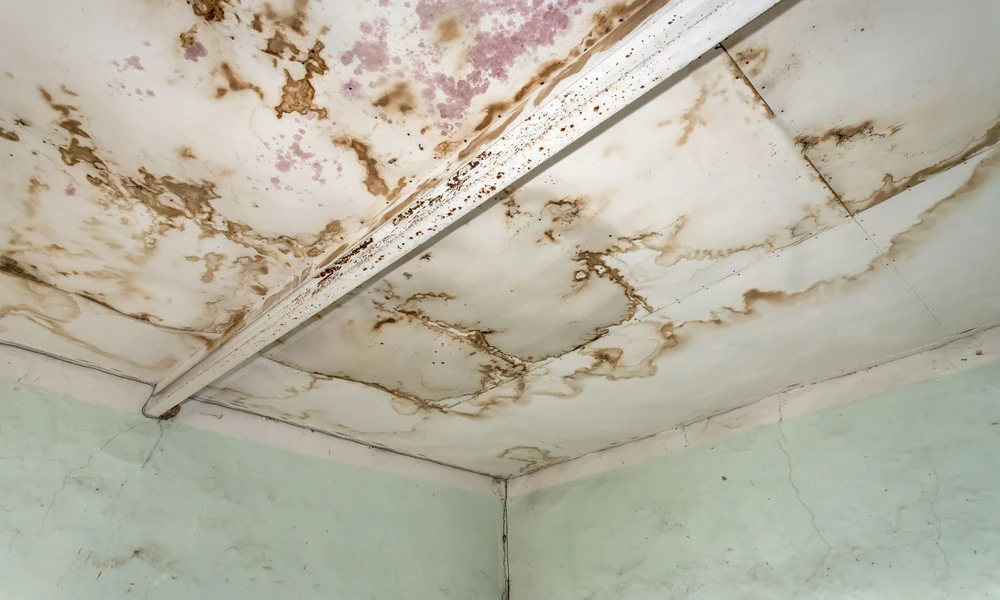

Spalling starts quietly. A patch of paint bubbles in a bathroom ceiling, a small piece of concrete comes away, and a rust-coloured stain appears. Owners often put it down to dampness, repaint the area, and consider it handled. The repainting lasts a few months before the same patch returns, slightly larger. What makes spalling difficult is that the mechanism driving it continues regardless of what happens at the surface, and each month of delay makes the eventual repair more extensive. Five risks explain why postponing work to repair spalling concrete ceilings in Singapore rarely saves money.
1. Reinforcement Corrosion Continues and Accelerates
Spalling occurs because moisture has reached the steel reinforcement within the slab. As steel corrodes it expands, and that expansion forces the surrounding concrete outward until it cracks and falls away.
Once concrete has spalled, the exposed steel is in direct contact with air and moisture, so corrosion proceeds faster than before. The process is self-reinforcing: more corrosion causes more spalling, which exposes more steel. Nothing about leaving it alone slows this down.
2. Steel Section Loss Affects Structural Capacity
Corroding reinforcement loses cross-sectional area, and the reinforcement is there to provide tensile strength the concrete alone doesn’t have. Extensive section loss across a slab area is a structural concern rather than a cosmetic one.
Most residential spalling is addressed well before this becomes critical, but the risk is real where damage has been left for years across a wide area. Significant spalling affecting a large portion of a slab soffit warrants assessment by a qualified engineer rather than proceeding directly to repair.
3. Falling Concrete Presents an Immediate Safety Hazard
Delaminated concrete detaches without warning, and fragments falling from a ceiling in a bathroom, kitchen, or corridor carry a real injury risk. Areas that sound hollow when tapped gently are already delaminated even where nothing has yet come down, which means the hazard usually exists before it becomes visible.
Where spalling sits overhead in a frequently used space, this consideration alone justifies acting promptly rather than scheduling work whenever it happens to be convenient. This is also the stage at which most waterproofing contractors in Singapore recommend, at minimum, removing the loose material immediately, even if the full repair is scheduled for later, since that removes the falling hazard while the rest is arranged.
4. Repair Scope and Cost Expand With Time
A small area addressed early involves removing loose concrete, treating the exposed steel, and reinstating with appropriate repair mortar. The same defect two years later typically covers a much wider area, may require more extensive steel treatment, and in some cases needs supplementary reinforcement.
The cost difference between these two scenarios is substantial, and it grows continuously rather than in steps, which means there is no point at which waiting becomes the cheaper option.
5. Management and Compliance Obligations May Be Triggered
In HDB flats and condominiums, ceiling spalling affecting a unit typically has defined responsibilities regarding repair, and management corporations or town councils may issue notices where damage is reported or affects common property. Owners should check their specific obligations with their town council or management corporation, since requirements vary.
Ignoring a notice or allowing damage to affect a neighbouring unit can create liability beyond the repair cost itself.
Red Flags Worth Watching For
- Paint bubbling or flaking in the same ceiling area despite repainting
- Rust-coloured staining spreading across a ceiling surface
- Concrete fragments falling, or hollow sounds when the ceiling is tapped gently
- Exposed reinforcement bars visible where concrete has come away
- Damp patches on the ceiling recurring after each period of heavy use above
Addressing the Water Source, Not Only the Damage
The critical point owners often miss is that repairing the spalled concrete without stopping the water reaching the reinforcement produces a repair that fails again. Moisture typically originates from a failed waterproofing membrane in the bathroom above, a leaking pipe, or a defect at a floor waste. Proper remediation identifies and rectifies that source before or alongside the concrete repair.
This is why engaging waterproofing contractors in Singapore who assess the water path rather than only the visible damage matters. A contractor who quotes to repair spalling concrete ceiling in Singapore without asking about the unit above, recent plumbing work, or the bathroom’s waterproofing history is addressing half the problem, and the repair will likely need repeating within a few years.
Contact General Waterproofing & Service to assess your ceiling spalling, identify the water source, and plan a repair that addresses both.