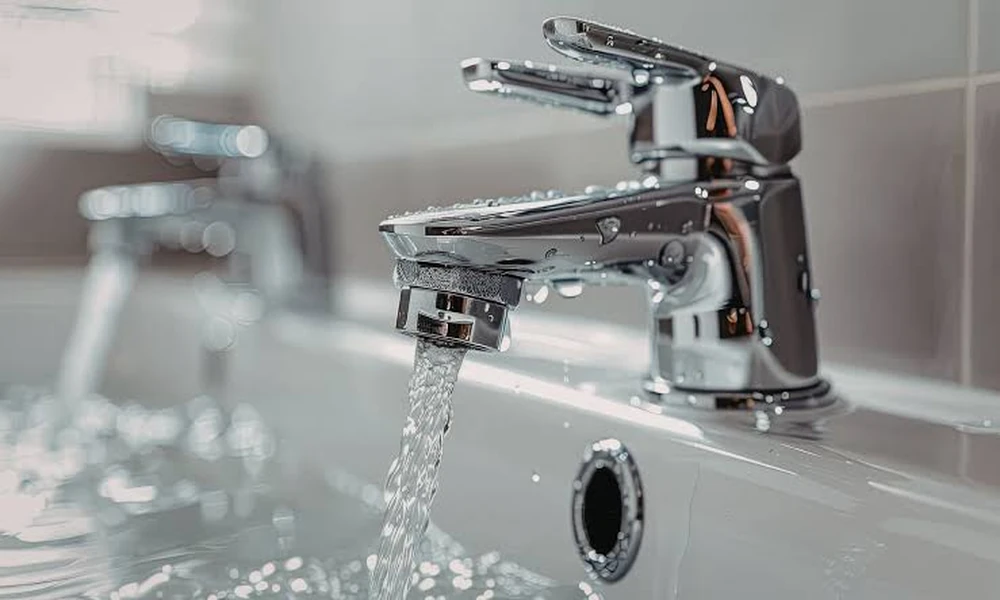

White crust on a faucet looks harmless. So does a showerhead that sprays sideways or a kettle with a chalky ring at the bottom. Each one is a small sign of the same thing happening inside the pipes, valves and tanks you never see, and over the years it adds up to repairs that feel random but are not.
Ask a Hawthorne plumber what drives a large share of routine service calls, and mineral buildup will come up fast. The team at jurguensplumbing.com, a family owned shop based in neighboring Inglewood, replaces faucet cartridges, toilet fill valves and water heaters that wore out early for one shared reason. The water flowing into most South Bay homes carries a heavy load of dissolved calcium and magnesium.
That water usually comes from a blend of imported sources and local groundwater, and much of it lands well above what scientists call soft. The minerals are not a health concern. They are a maintenance concern, and they behave differently in every room of the house.
What Hard Actually Means
Hardness is measured as milligrams of calcium carbonate per liter of water. The USGS Water Science School sorts it into four bands: 0 to 60 is soft, 61 to 120 is moderately hard, 121 to 180 is hard, and anything above 180 is very hard. Many Southern California supplies fall in the hard or very hard range, especially when Colorado River water makes up a big part of the blend.
Heat is what turns dissolved minerals into solid scale. That is why the worst damage shows up wherever water gets warm, sits still or squeezes through a small opening.
The Kitchen Sink
Faucet aerators are the first casualty. The tiny screen at the tip traps mineral flakes until the stream turns weak and splashy. Unscrewing it and soaking it in white vinegar for an hour usually restores full flow.
Deeper inside, the faucet cartridge controls temperature and volume with precise seals. Scale scratches those surfaces and makes handles stiff. A faucet that drips even when closed tightly often has a cartridge worn down by minerals rather than by age.
Dishwashers suffer too. Cloudy glasses and a film on the door point to scale building on the spray arms and the heating element, which forces longer cycles to get the same result.
The Bathroom
Showerheads clog nozzle by nozzle, which is why spray patterns drift and some jets go dry. Toilets hide a quieter problem. Scale collects on the fill valve and around the flapper seal, so the tank never fully seals. A toilet that refills by itself every few minutes is leaking water silently into the bowl, and minerals are a common cause.
Glass shower doors and tile grout take on a white haze that ordinary cleaners struggle to remove. That haze is the same scale that is coating the inside of the valve behind the wall.
The Water Heater
This is where hard water costs the most. In a gas tank, minerals fall out of the heated water and settle on the bottom as a layer of sediment. That layer sits between the burner and the water, so the heater runs longer to reach the same temperature. Popping or rumbling sounds during a heating cycle mean steam bubbles are pushing up through that crust.
Over time, the overheated bottom of the tank weakens and the anode rod wears away faster. Signs worth watching include:
- Rumbling or crackling noises while the burner runs
- Hot water that runs out sooner than it used to
- Rusty or cloudy water from the hot tap only
- Moisture or rust streaks around the base of the tank
Flushing the tank once a year removes much of the loose sediment. Checking the anode rod every few years catches corrosion before it reaches the steel tank. Tankless units need attention as well, since their narrow heat exchangers scale up quickly and usually call for a periodic descaling flush with a pump and vinegar or a manufacturer approved solution.
The Laundry Room and Hose Bibs
Washing machine inlet valves have small screens that collect grit and scale, which slows filling and can trip error codes. Outdoor hose bibs crust over at the spout and around the stem, and older ones start dripping because their washers no longer seal against a rough seat.
Getting to Know Your Own Water
Before buying any treatment equipment, find out how hard your water really is. Every community water system has to publish an annual drinking water quality report, and the EPA explains how to find and read yours on its Consumer Confidence Report page. The report lists hardness along with other measurements. An inexpensive test strip from a hardware store can confirm the number at your own tap.
Choosing a Fix That Fits
A traditional salt based softener swaps calcium and magnesium for sodium. It is the most thorough way to stop scale, though it adds sodium to the water and uses salt and backwash water. Some Southern California sewer agencies restrict softeners that discharge brine, so local rules matter before installing one.
Salt free conditioners take a different approach. They change minerals into tiny crystals that are less likely to stick to surfaces. They do not remove hardness, yet many homeowners find they cut buildup on fixtures and inside water heaters with no salt to refill.
For drinking and cooking, an under sink reverse osmosis system removes most dissolved minerals and also improves taste where chlorine or chloramine is noticeable. It treats one tap, so it pairs well with whole house protection rather than replacing it.
Hard water rarely causes a dramatic failure overnight. It works slowly, one valve and one heating cycle at a time. Knowing your hardness number, keeping up with simple maintenance like aerator soaks and tank flushes, and choosing treatment that suits your home and local rules can stretch the life of nearly every fixture and appliance that touches water.