
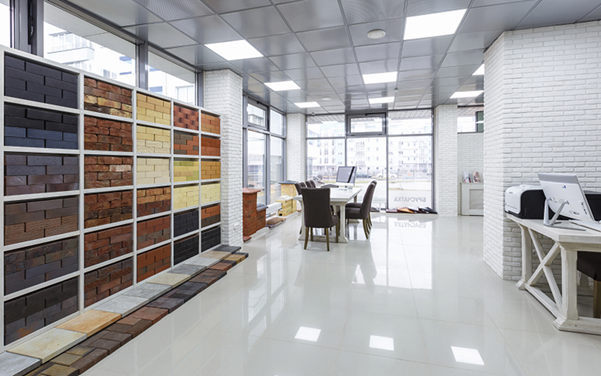

When it comes to Housing & Development Board (HDB)/Build-To-Order (BTO) interior design, many quickly realise that efficiency becomes the defining theme of every decision. Compact layouts, structural constraints, and unique spatial challenges often shape how each square metre can be maximised. Meanwhile, visiting a renovation showroom in Singapore helps homeowners experience materials, layouts, and ideas in action, bridging imagination with reality. In a landscape where design must work harder under challenging conditions, the focus is shifting toward solutions that enhance daily movement, storage, and flexibility.
Working Within the Realities of Compact Layouts
Most HDB BTO interior design projects start with the same constraints: limited floor area, fixed wall placements, and specific wet-area zones. Instead of fighting these boundaries, successful projects acknowledge them early. Tight spaces using clean lines, built-in furnishings, and cohesive layouts guide movement naturally.
Homeowners comparing options through a renovation showroom in Singapore often discover how certain materials, finishes, or furniture proportions directly influence perceived spaciousness. Glossy cabinets can brighten corridors, while light-toned flooring creates smoother visual continuity.
Zoning Spaces for Clear, Efficient Flow
Efficiency begins with clarity. When zones are intentional, daily routines become smoother. In HDB BTO interior design, zoning often revolves around how families use shared areas, whether the living room doubles as a workspace, or whether the dining zone shifts between meals and gatherings.
Designers create subtle separations without constructing walls. Flooring changes, partition shelves, and lighting shifts help define spaces while preserving openness. For homeowners exploring layouts in a renovation showroom in Singapore, these zoning strategies demonstrate how to minimise congestion and improve transitions between activities.
Storage That Maximises Vertical and Hidden Areas
Storage plays an enormous role in achieving efficiency, especially under challenging spatial conditions. Clutter contributes to stress and slows down daily tasks. For this reason, HDB BTO interior design must incorporate storage solutions that blend seamlessly with the environment.
Built-in cabinets that hug corners, raised platform beds, and full-height wardrobes help reclaim vertical space. Integrating storage into structural elements eliminates visual heaviness. Similarly, exploring mock-ups in a renovation showroom in Singapore helps homeowners identify hidden storage potential. When storage aligns with the room’s proportions, the home feels calmer, organised, and easier to navigate.
Using Lighting to Improve Function and Flow
Lighting shapes how efficiently a space is used. In many HDB BTO interior design solutions, layered lighting helps guide movement and reduces dark, inefficient corners. Warm ambient lighting paired with targeted task lamps transforms functionality: kitchens feel safer, dressing areas become more usable, and entryways feel welcoming rather than cramped.
In a renovation showroom in Singapore, homeowners often see how lighting can shift the mood of a space without needing structural changes. When lighting supports both visibility and atmosphere, living conditions improve significantly.
Materials That Enhance Durability and Everyday Usability
Efficiency is about choosing finishes that support long-term use. Materials showcased in a renovation showroom in Singapore often include laminates, quartz countertops, and durable flooring options. These materials perform well in HDB BTO interior design environments where families seek low-maintenance, practical surfaces that withstand daily wear.
Beyond durability, texture and colour decisions help unify the space. Homes with coordinated palettes tend to feel more structured, while mismatched tones can produce visual clutter. Choosing materials that maintain uniformity across living, dining, and kitchen zones helps cultivate a sense of order.
Functional Furnishings That Adapt to Small Spaces
Multi-functional furniture pieces are central to achieving efficiency. Foldable dining tables, concealed desks, modular sofas, and transformable coffee tables all support evolving needs. In newer HDB BTO interior design approaches, furniture is selected for aesthetics and its ability to support daily shifts.
A visit to a renovation showroom in Singapore reveals how scale affects usability. Oversized furniture restricts pathways, while slim-profile pieces enhance circulation. The most efficient homes prioritise furnishings that complement the home’s structure, allowing easy movement throughout the day.
Designing for Realistic Routines, Not Ideal Ones
Efficiency grows when design reflects real habits. Homes designed around everyday rhythms tend to function better. For instance, creating accessible laundry closets or integrating drop-off zones near the entrance helps reduce bottlenecks.
In both HDB BTO interior design plans and renovation showrooms in Singapore, it becomes clear that practical flow outperforms decorative concepts when space is limited. Efficiency thrives when design choices support life as it is, not as we imagine it to be.
Conclusion
Boosting efficiency under challenging conditions is a thoughtful process that blends spatial logic with daily lived experience. Whether browsing HDB BTO interior design inspirations or exploring options in a renovation showroom in Singapore, homeowners benefit from focusing on zoning, storage, lighting, materials, and furniture that ease movement rather than complicate it. In compact environments, the true goal is to make every corner work smarter.
Curious about efficient layouts? Check out Fineline Design and explore ideas that turn tight corners into effortless flow today.