

We spend the majority of our lives indoors, yet many of us give little thought to the air we breathe at home. Poor indoor air quality can contribute to fatigue, allergies, respiratory issues, and long-term health concerns. Improving it, however, is both achievable and rewarding. Simple changes combined with targeted solutions can transform your living space into a genuinely healthier environment.
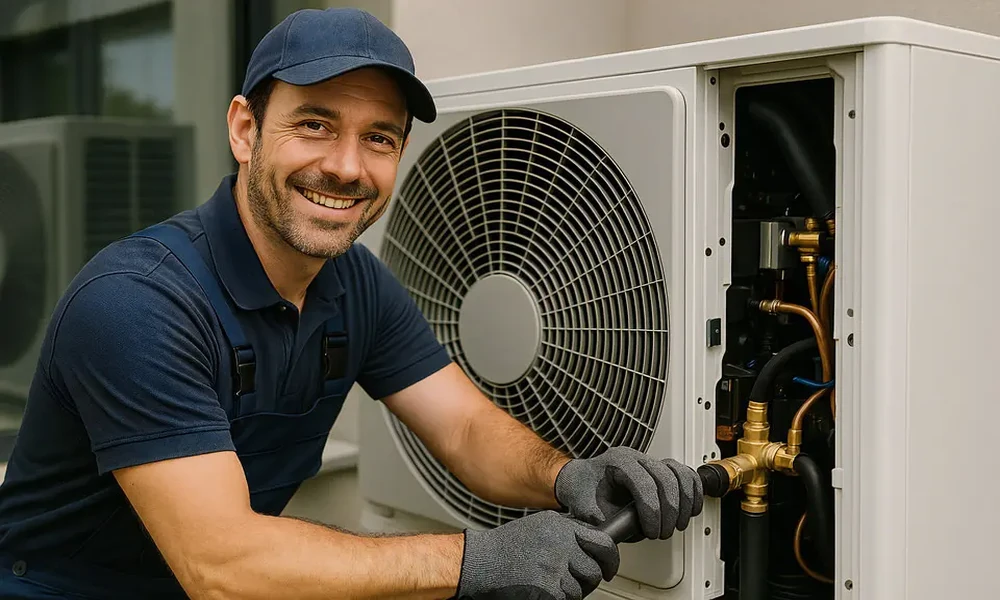
One effective way to address persistent concerns is through professional air purifier installation in Naples, FL, particularly for homes in areas with high humidity or pollen levels. Expert systems can make a noticeable difference where everyday efforts fall short.
Understanding the Hidden Pollutants in Your Home
Indoor air often contains a surprising mix of contaminants. Common culprits include dust mites, pet dander, mould spores, volatile organic compounds (VOCs) from cleaning products and furniture, and even microscopic particles from cooking and heating. In tightly sealed modern homes, these pollutants have fewer opportunities to disperse, leading to concentrated exposure over time.
Unlike outdoor air, which benefits from natural dilution and wind, indoor spaces trap particles. Studies consistently show that indoor air can be two to five times more polluted than outdoor air, making proactive management essential for wellbeing.
Identifying Sources of Poor Air Quality
Before making improvements, it helps to pinpoint the main sources in your home. Start with the basics: carpets, upholstered furniture, and bedding harbour dust and allergens. Kitchens produce smoke, grease, and combustion by-products, while bathrooms and basements are prone to dampness and mould growth. Even seemingly harmless items like scented candles, air fresheners, and certain paints release VOCs that linger in the air.
External factors also play a role. Pollen, vehicle exhaust, and industrial emissions can infiltrate through windows, doors, and ventilation systems. Recognising these sources allows you to tackle them systematically rather than relying on temporary fixes.
Everyday Habits That Make a Real Difference
Improving indoor air quality begins with consistent, low-effort habits. Regular cleaning is fundamental. Vacuuming with a HEPA-filter vacuum twice weekly reduces dust and allergens significantly. Dust surfaces with microfibre cloths that trap particles instead of spreading them.
Ventilation matters too. Opening windows when outdoor air quality is good creates natural airflow, diluting indoor pollutants. In cooler months, brief daily airing prevents stale air from accumulating. Avoid smoking indoors entirely, and consider switching to natural cleaning products to reduce chemical emissions.
Houseplants can offer modest support. Species such as snake plants, peace lilies, and spider plants help filter certain toxins, although they work best as part of a broader strategy rather than a standalone solution.
Upgrading Your Home’s Air Management Systems
For more substantial results, technology and professional services become valuable allies. High-quality air purifiers with true HEPA filters capture 99.97% of particles as small as 0.3 microns. Whole-house systems integrated with HVAC units provide comprehensive coverage, particularly beneficial in larger properties.
Maintaining existing systems is equally important. Change HVAC filters every one to three months, depending on usage and household factors. Consider adding UV lights or specialized filtration to combat mold and bacteria. Professional assessment ensures your setup matches your specific needs, from humidity control to targeted pollutant removal.
In regions with challenging climates, expert guidance proves especially useful. Services offering air purifier installation in Naples, FL understand local conditions and can recommend tailored solutions that deliver lasting improvements.
Monitoring Air Quality for Informed Action
Knowledge empowers better decisions. Affordable indoor air quality monitors track levels of PM2.5, VOCs, carbon dioxide, and humidity in real time. These devices provide data-driven insights, alerting you when intervention is needed.
Aim for relative humidity between 30% and 50% to discourage mould while preventing excessive dryness. Keeping carbon dioxide levels in check through proper ventilation supports cognitive function and overall comfort.
The Long-Term Benefits of Cleaner Air
Investing time and resources into better indoor air quality yields compounding rewards. Families often report fewer allergy symptoms, reduced asthma flare-ups, and improved sleep quality. Children and elderly household members, who are more vulnerable to poor air, benefit particularly.
Beyond health, cleaner air can protect your property. Reduced dust accumulation means less wear on electronics and furnishings, while controlled humidity prevents structural damage from mold.
Many homeowners also experience a greater sense of wellbeing. Breathing easier in your own home contributes to reduced stress and increased daily comfort, subtle improvements that enhance quality of life over months and years.
Creating a Sustainable, Healthier Home Routine
Lasting improvement comes from integrating good practices into daily life. Develop a seasonal maintenance calendar that includes filter changes, duct cleaning, and system inspections. Educate family members about simple actions, such as wiping shoes at the door or using exhaust fans during cooking and showering.
Consider your home holistically. Energy-efficient upgrades often align with air quality goals. Properly sealed ducts, high-performance windows, and balanced ventilation systems work together to maintain fresh air while controlling energy costs.
Taking the Next Step Towards Better Air
Improving indoor air quality need not be overwhelming. Start small with cleaning routines and ventilation habits, then layer on technology and professional support as needed. Each step contributes to a noticeably fresher, healthier living space.
Your home should support your health, not compromise it. By paying attention to the air within your walls, you create an environment where everyone can thrive. Whether through everyday vigilance or expert intervention, the effort invested in cleaner air returns dividends in comfort, health, and peace of mind for years to come.
Conclusion
Creating a healthier home starts with the air you breathe every day. By reducing indoor pollutants, maintaining proper ventilation, controlling humidity, and keeping your HVAC system in good condition, you can significantly improve indoor air quality and support your family’s overall wellbeing. While simple daily habits make a meaningful difference, professional solutions such as advanced air purification systems provide an extra layer of protection, especially in homes affected by allergens, humidity, or airborne contaminants. Taking a proactive approach today helps create a cleaner, fresher, and more comfortable living environment that benefits your health, protects your home, and enhances your quality of life for years to come.