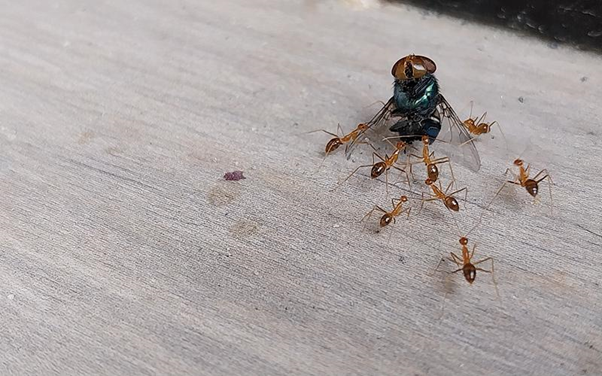

Ants are small, but they’re masters of invasion. One moment your kitchen counter is spotless; the next, a line of ants is marching towards a crumb you didn’t even notice. Amidst a warm, humid climate, ant infestations are a common frustration—and when they happen, homeowners often face a big question: should you try natural methods or call in professional pest control services for chemical treatment? Both approaches promise relief, but their results can differ drastically.
The Natural Route
Natural ant pest control methods appeal to those who prefer a gentler touch. Vinegar sprays, lemon juice, baking soda, or even peppermint oil—these DIY tricks can disrupt ant trails and mask the scent paths they use to communicate. It’s a simple, cost-effective way to stop them from parading through your kitchen or pantry.
But here’s the catch: these natural solutions rarely destroy the colony itself. They’re repellents, not eliminators. You might chase the ants away today, only for them to return tomorrow through another crack in the wall. Still, natural options are perfect for prevention, especially if you’re cautious about chemicals or just want to keep the home fresh and ant-free between professional treatments.
The Chemical Approach
Once ants refuse to leave or keep returning, it’s time for professional pest control services. Chemical treatments are designed not just to kill visible ants but to reach the root of the problem: the colony. Trained technicians use targeted methods such as gel baits and non-repellent sprays that ants unknowingly carry back to their nest, infecting the queen and wiping out the colony from within.
Today’s pest control companies operate with safety and precision in mind. Under NEA regulations, they use approved, low-toxicity products that are safe for humans and pets when applied properly. The biggest advantage? Professionals know exactly what species they’re dealing with—be it ghost ants, crazy ants, or pharaoh ants—and they tailor their treatments accordingly. That level of accuracy is something no DIY method can match.
Finding the Right Balance
It’s easy to think chemical means “harsh,” but modern pest management has evolved. Many providers now follow an Integrated Pest Management (IPM) model, combining minimal chemical use with preventive tactics. They only apply chemicals when absolutely necessary, reducing environmental impact without compromising results.
On the other hand, natural methods are undeniably eco-friendly and safe—but their effects fade quickly. You might find yourself reapplying sprays every few days, which can become tiring. The sweet spot for most homeowners lies somewhere in the middle: use natural repellents for everyday maintenance, and call providers of ant pest control for serious infestations. It’s not an either-or situation; it’s about timing and balance.
Knowing When to Bring in the Experts
Once you’ve cleaned every corner, sealed your snacks, and still spot ants crawling along your walls, the colony is likely hiding deep inside. That’s the moment to call for pest control services. A professional can trace the ants’ entry points, locate their nests, and carry out targeted treatments that last. More importantly, follow-up visits ensure the infestation doesn’t resurface—saving you from an endless cycle of trial and error.
The Verdict
Natural remedies are great allies for prevention, but chemical treatments deliver lasting peace of mind. The most effective strategy is a combination of both: natural deterrents to keep ants out, and professional ant pest control to stop them at their source. In the long run, this balanced approach protects your home, your health, and your sanity.
Conclusion
Ants are persistent, but you don’t have to live with them. A few sprays of vinegar might hold them off, but professional pest control services bring the precision and effectiveness needed for real, lasting results. You get the best of both worlds when nature meets science—a safe, clean, and truly ant-free home.
Contact EcoSpace Pest Management for a customised treatment plan that keeps ants—and other pests—away for good.