
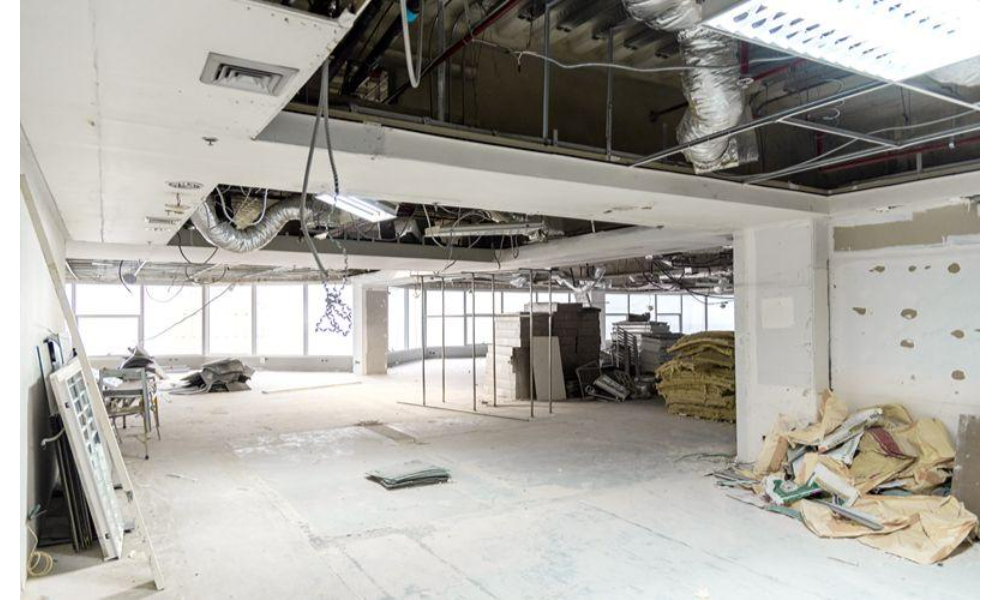

A commercial office renovation provides a valuable opportunity to improve workflow, upgrade facilities, and enhance the overall workplace experience. However, many businesses rush into the process without proper planning, which leads to delays, rising costs, and designs that fail to support long-term operational needs. Understanding the common mistakes that occur during renovation projects allows companies to approach the process with clarity and avoid unnecessary setbacks. Working with an experienced office design consultancy also enables businesses to maximise space, meet regulatory requirements, and create an environment that supports productivity.
1. Skipping the Planning and Budgeting Stage
Many companies push renovation timelines too quickly and overlook the importance of a clear plan. They commit to design decisions without evaluating future headcount, workflow patterns, and equipment requirements, creating a mismatch between the final space and the organisation’s actual operational needs. To avoid this, businesses must review their goals, conduct a workplace audit, and consult stakeholders from different teams. This ensures the layout supports both daily tasks and long-term business plans.
A poorly managed budget is another issue that disrupts renovation progress. Companies often underestimate the cost of materials, necessary approvals, and professional services. They also fail to set aside a contingency fund for unexpected issues, such as structural defects or outdated electrical systems. Engaging an office design consultancy early helps create a realistic budget and ensures all essential items are accounted for. Ampersand Associates, for example, provides structured planning support that helps companies control spending while achieving their ideal space.
2. Choosing Style Over Functionality
Focusing too heavily on aesthetics leads to workspaces that look impressive in photos but fail to support employees. Businesses often choose layouts based on trends rather than operational needs, which results in insufficient storage, inefficient traffic flow, or work areas that do not align with team responsibilities. Instead, companies should study how staff use the space and prioritise functionality before selecting design features. A practical layout improves efficiency, reduces clutter, and makes daily tasks more manageable.
Lighting, acoustics, and ergonomics are also frequently ignored during design discussions. Poor lighting strains employees’ eyes, while noise disruptions impact focus. Inadequate furniture choices also reduce comfort and productivity. A professional office design consultancy helps balance style with usability, ensuring the final space enhances employee wellbeing. Ampersand Associates often guides clients toward smart design solutions that elevate both comfort and efficiency.
3. Ignoring Compliance and Building Regulations
Businesses regularly overlook building codes, safety standards, and permit requirements, which results in costly delays and redesigns. Every commercial office renovation must comply with fire safety guidelines, accessibility standards, and electrical requirements. Failure to follow these regulations leads to penalties, project stoppages, or forced changes to the layout. Companies can avoid this by reviewing local regulations before finalising their design and by working with professionals who understand compliance procedures.
Another common issue arises when businesses try to modify existing structures without verifying whether the changes are legally allowed. For example, altering load-bearing walls or moving mechanical systems requires certified approval. Without expert guidance, companies risk damaging the building’s structural integrity. An office design consultancy helps assess what modifications are feasible and ensures all plans follow legal standards, safeguarding the renovation from unnecessary setbacks.
4. Failing to Plan for Future Growth
Many businesses design their space solely based on current staffing levels, causing limitations when the company expands. Without flexible spaces, modular furniture, or room for additional workstations, companies face further renovation costs sooner than expected. Planning for growth ensures the workspace adapts to new team members, technology upgrades, and evolving work patterns. A forward-thinking approach helps companies create a more resilient and cost-effective layout.
Technology planning is another overlooked factor. Companies often forget to consider future IT requirements, such as additional power outlets, data cabling, and server capacity, forcing them to install makeshift solutions later, which disrupts workflow. By integrating technology planning early, businesses create a smoother and more scalable office environment.
Conclusion
A well-executed commercial office renovation requires careful planning, regulatory awareness, functional design choices, and long-term thinking. Companies that recognise these common mistakes can avoid costly delays and ensure their new workspace supports productivity and growth. With guidance from an experienced office design consultancy, businesses can create an efficient and future-ready environment. For professional support, Ampersand Associates offers expertise that helps companies design a workspace that aligns with both current and future needs.
Transform your workspace with expert guidance. Contact Ampersand Associates for a smarter, smoother renovation journey.