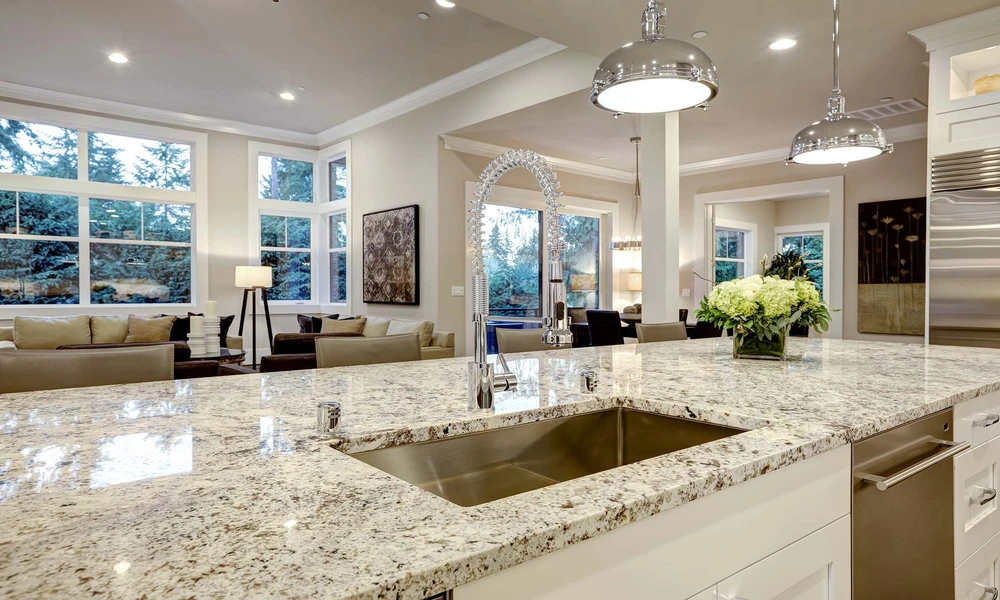

The allure of natural stone countertops is undeniable, but their beauty can come at a cost if the wrong surface is chosen. Kitchens and bathrooms face a daily barrage of spills, scratches, and splashes, making countertop hygiene and durability a top priority for every homeowner. What sets non-porous surfaces apart, and why are they becoming the gold standard in modern home design?
The Challenge of Maintaining Natural Stone Countertops
Natural stone countertops instantly elevate the look of any kitchen or bathroom, adding both elegance and value. Yet, these surfaces face a common set of challenges that can dull their shine over time.
Common Issues: Staining, Scratching, and Porosity
Spilled wine, lemon juice, or a coffee that gets left unattended can seep into the microscopic pores of some natural stones. These tiny channels not only stain, but can harbor bacteria deep beneath the surface. Traditional stones like marble and limestone are especially vulnerable, while even harder materials like granite have their limits.
Why Does Porosity Affect Hygiene and Durability?
Porous stone behaves like a sponge. Liquids and food scraps can soak in, leading to stains that are nearly impossible to remove without professional help. Worse, trapped moisture creates a breeding ground for bacteria and mold, threatening both cleanliness and the longevity of the surface.
The Limitations of Traditional Natural Stone Surfaces
While classic stones remain popular for their beauty, homeowners are often surprised by the maintenance required. Frequent sealing, careful cleaning, and ongoing vigilance become part of daily life if the stone is not properly protected.
Understanding Non-Porous Surfaces in Natural Stone
Advancements in materials science have brought a new generation of non-porous natural stone surfaces to market, solving many of these age-old issues.
What Makes a Surface Non-Porous?
A non-porous surface does not absorb liquids or allow substances to penetrate below the outer layer. This quality can be innate to certain stones or achieved through advanced manufacturing processes and protective treatments that seal every microscopic gap.
Materials and Treatments That Achieve Non-Porosity
Engineered stones like quartz, as well as porcelain and certain dense varieties of granite, are naturally non-porous. Some suppliers use proprietary techniques to enhance this property further, ensuring that the countertop remains impenetrable to spills and stains.
Comparing Porous vs Non-Porous Natural Stones
When choosing a surface, the difference between porous and non-porous materials is stark. Non-porous stones offer hassle-free maintenance and superior hygiene, while porous options require ongoing sealing and quick cleanup of every spill.
Benefits of Non-Porous Natural Stone Countertops
Why choose non-porous over traditional stone? The advantages go far beyond simple aesthetics.
Enhanced Stain and Scratch Resistance
Everyday accidents lose their power to damage when the surface resists penetration and scratching. Non-porous countertops shrug off red wine, oil, and acidic juices, keeping their pristine looks for years.
Superior Hygiene and Easy Cleaning
A sealed, non-porous surface does not trap crumbs or bacteria, making it safer for food preparation and effortless to sanitize with a simple wipe.
Longevity and Preservation of Aesthetic Appeal
These surfaces retain their color and shine with minimal effort, outlasting their porous counterparts and keeping renovation costs at bay.
Environmental and Health Considerations
With less need for harsh chemical cleaners and frequent resealing, non-porous countertops contribute to a healthier indoor environment and a more sustainable lifestyle.
How Do Non-Porous Surfaces Solve Common Countertop Problems?
Bacterial growth, stubborn stains, and structural wear are issues best left in the past.
Preventing Bacterial Growth and Mold
Sealed surfaces prevent moisture intrusion, shutting down common pathways for microbes and mold with every spill or splash.
Minimizing Maintenance Effort and Costs
With fewer cleaning products and less time spent fussing over stains, homeowners can enjoy their surfaces without the burden of constant upkeep.
Preserving Structural Integrity Over Time
Non-porous stones resist chipping and cracking caused by absorbed water, ensuring that countertops retain their beauty and function for decades.
Choosing the Right Non-Porous Natural Stone for Your Space
Selecting a surface involves more than picking a color or finish. Performance, look, and supplier reputation all matter.
Popular Non-Porous Stones and Their Characteristics
Quartz and porcelain are leading choices for non-porous countertops, prized for their hardness and versatility. Some natural granites, especially those professionally finished, also deliver non-porous performance.
Matching Stone Types to Different Household Needs
Busy families, frequent entertainers, and culinary enthusiasts all benefit from non-porous stones, which stand up to daily use without fuss.
Evaluating Quality: What to Look for in a Supplier
Look for suppliers who specialize in premium, sealed surfaces and offer clear warranties. For instance, Quartz Blanc natural stone countertops are recognized for their commitment to both durability and visual appeal.
Installation and Care Tips for Non-Porous Natural Stone Countertops
Proper installation and easy maintenance are key to maximizing your investment.
Professional Installation Best Practices
A skilled installer ensures that seams are tight and surfaces are level, safeguarding the non-porous properties of the stone.
Daily Cleaning Routines and Stain Prevention
Mild soap and water are usually all that’s needed. Avoid abrasive scrubbers and harsh chemicals to keep the surface looking new.
Long-Term Care: Sealing, Repairs, and Avoiding Damage
Many non-porous stones require little to no additional sealing. For any chips or surface scratches, contact your supplier for repair recommendations.
Taking Action: Investing in Non-Porous Natural Stone Countertops
Before upgrading, assess your existing countertops. Are stains, cracks, or persistent odors an issue? If so, it may be time for a change.
Assessing Your Current Countertop’s Needs
Identify pain points like recurring stains or difficulty cleaning. This will help determine whether a non-porous upgrade is worth the investment.
Budgeting for Quality and Longevity
While the initial cost may be higher, non-porous countertops often pay for themselves through reduced maintenance and longer life spans.
How to Find Trusted Suppliers and Installers in Montreal
Look for companies with a track record of quality installations, strong warranties, and positive local reviews to ensure a seamless experience from start to finish.
Conclusion: Elevating Your Home with Non-Porous Natural Stone
Non-porous natural stone countertops combine beauty, hygiene, and durability in a single surface. By investing wisely, homeowners can ensure that their kitchens and bathrooms remain both elegant and effortless to maintain for years to come. When performance and peace of mind matter, non-porous stone is the clear winner.