
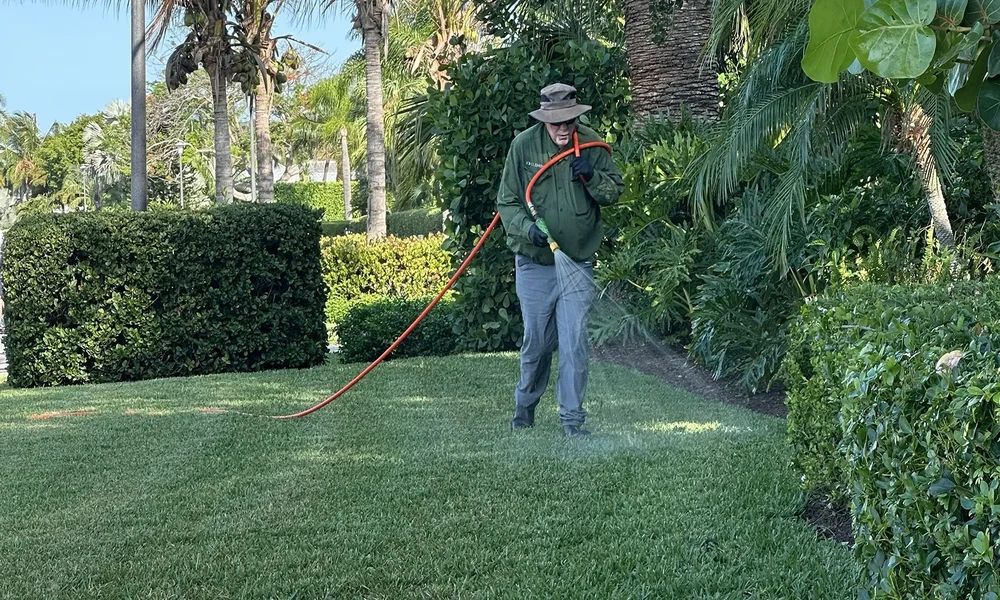

Pest activity does not always leave an obvious trail. A homeowner may notice an occasional insect indoors without realizing that small changes around the property have made the home more inviting to pests. In Central Florida, warm weather, irrigation, landscaping, and frequent rain can create opportunities that are easy to overlook.
A few overlooked details can give a Central Florida pest control company like Avata a better picture of what’s happening around the property. Homeowners don’t need to diagnose the pest, but checking beyond the most obvious areas can reveal useful clues.
Start With the Places That Get Ignored
Garages, sheds, attics, and storage areas often receive less attention than living spaces, which makes them places where activity can continue unnoticed. Stored cardboard, seasonal decorations, and outdoor equipment create shelter, and garages connect directly outdoors through doors, vents, and utility openings.
- Droppings or leftover insect parts near stored boxes can indicate pest activity in an area that receives little attention.
- Webs or trails crossing the same corner more than once suggest repeated traffic.
- Cardboard or stored materials that look chewed through, rather than just water-damaged, point to something actively feeding or nesting nearby.
Look Above the Usual Sightline
Most people check floors, baseboards, countertops, and windows when they notice insects. Higher areas can be just as informative, and they’re the part of a home most walk-throughs skip.
Inside, glance at ceiling corners and attic access points, not just eye level. A light fixture with a web forming in the housing can sit there for weeks unnoticed. Outside, soffits, eaves, and gutters holding old leaves can hide activity invisible from the ground, and exterior lights draw certain insects in after dark.
Pay Attention to Irrigation
Irrigation can create moisture that looks normal because watering is part of regular yard care. A sprinkler aimed toward a wall can leave moisture in places that would otherwise dry quickly.
The easiest way to catch this is to walk the yard an hour or two after the sprinklers run and look for a patch still wet while everything around it has dried. That usually points to a sprinkler head aimed wrong, a slow leak near an outdoor faucet, or a planting bed too dense to ever fully dry out.
Think About What Changed
Pest activity does not always appear right after a property changes. New landscaping, mulch, construction, or irrigation work can alter conditions well before insects become noticeable, and a homeowner may forget those changes by the time recurring signs show up.
A new planting bed can create more shade near the house. Removing vegetation can expose areas that previously stayed protected. Even a change in irrigation timing can shift where moisture remains.
Look Beyond Your Own Yard
The immediate property matters, but it isn’t always the whole picture. Some Central Florida homes sit close to retention ponds, wooded areas, or shared community landscaping, and those features can affect what a homeowner notices around their own yard.
A nearby feature isn’t necessarily the cause. It just gives a technician one more piece of the picture when the source isn’t obvious from the yard alone.
Track Where and When Activity Shows Up
A stray insect may not tell you much, but repeated activity does. Notice whether sightings keep occurring near the same door, window, or section of the yard, and whether timing follows a pattern, like showing up after rain or around the same time each evening. Photos help too, especially when a sign disappears before anyone can inspect it.
The place where you notice a pest also isn’t always where it started. A garage, roofline, irrigation zone, or nearby property feature can hold the explanation. Avata’s technicians check those less obvious areas as part of the inspection, giving homeowners a closer look when the source isn’t apparent from the usual trouble spots.